Therapies Journey Map

Every child's path looks different, and so does the mix of therapies that supports them. This map is a quick-reference guide to common autism therapies, grouped into three categories, so you can explore what each one is and how it might fit into your family's journey. Click on the green text below for more resources.

1

Behavioral/Developmental Interventions

Approaches that build skills and independence through structured teaching, play, and everyday routines.
ABA ABA (Applied Behavior Analysis)

A structured, evidence-based approach that uses reinforcement to build helpful skills and reduce behaviors that get in the way of learning.
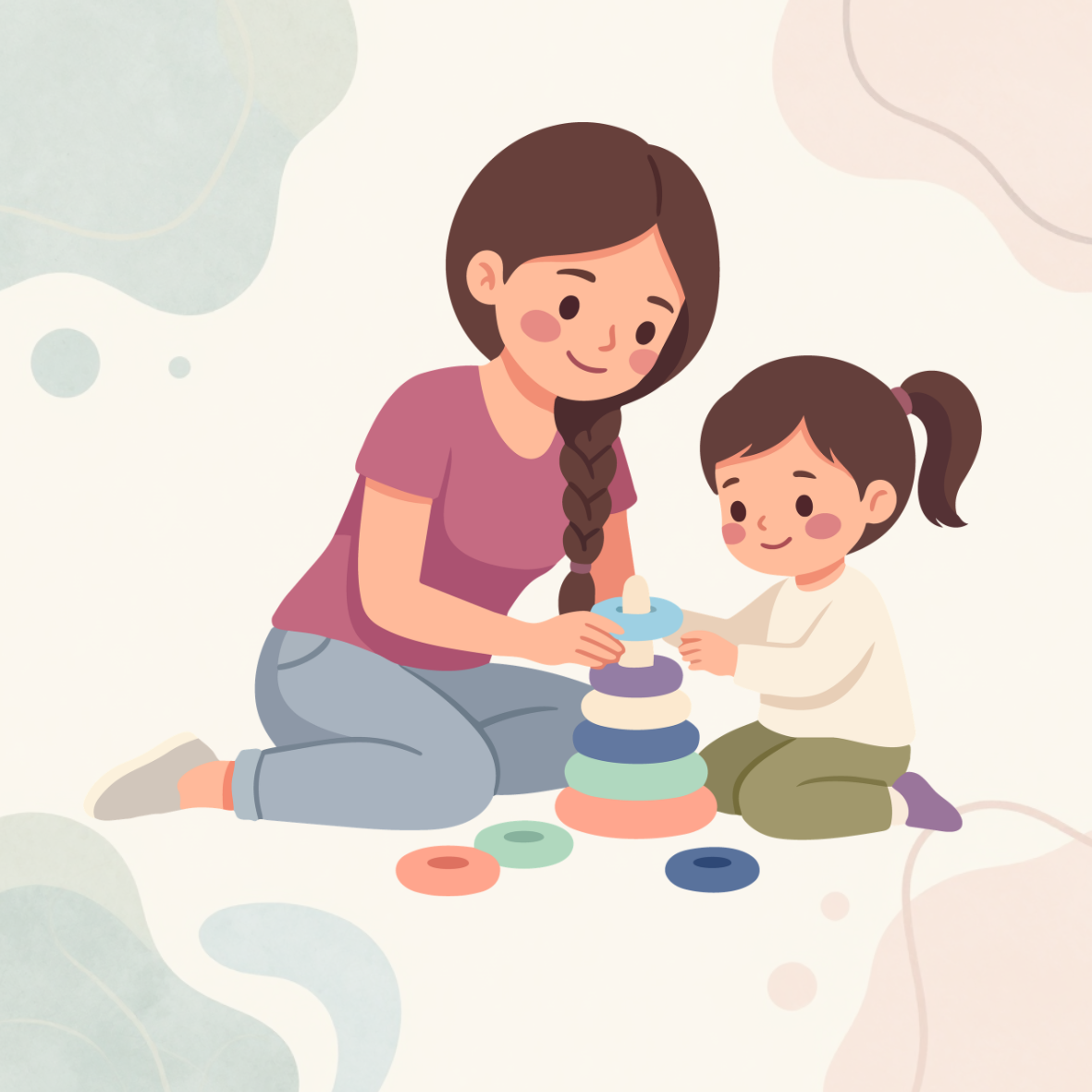
Pivotal Response Pivotal Response

A play-based, naturalistic therapy that targets pivotal skills like motivation and self-initiation to create broad improvements across development.
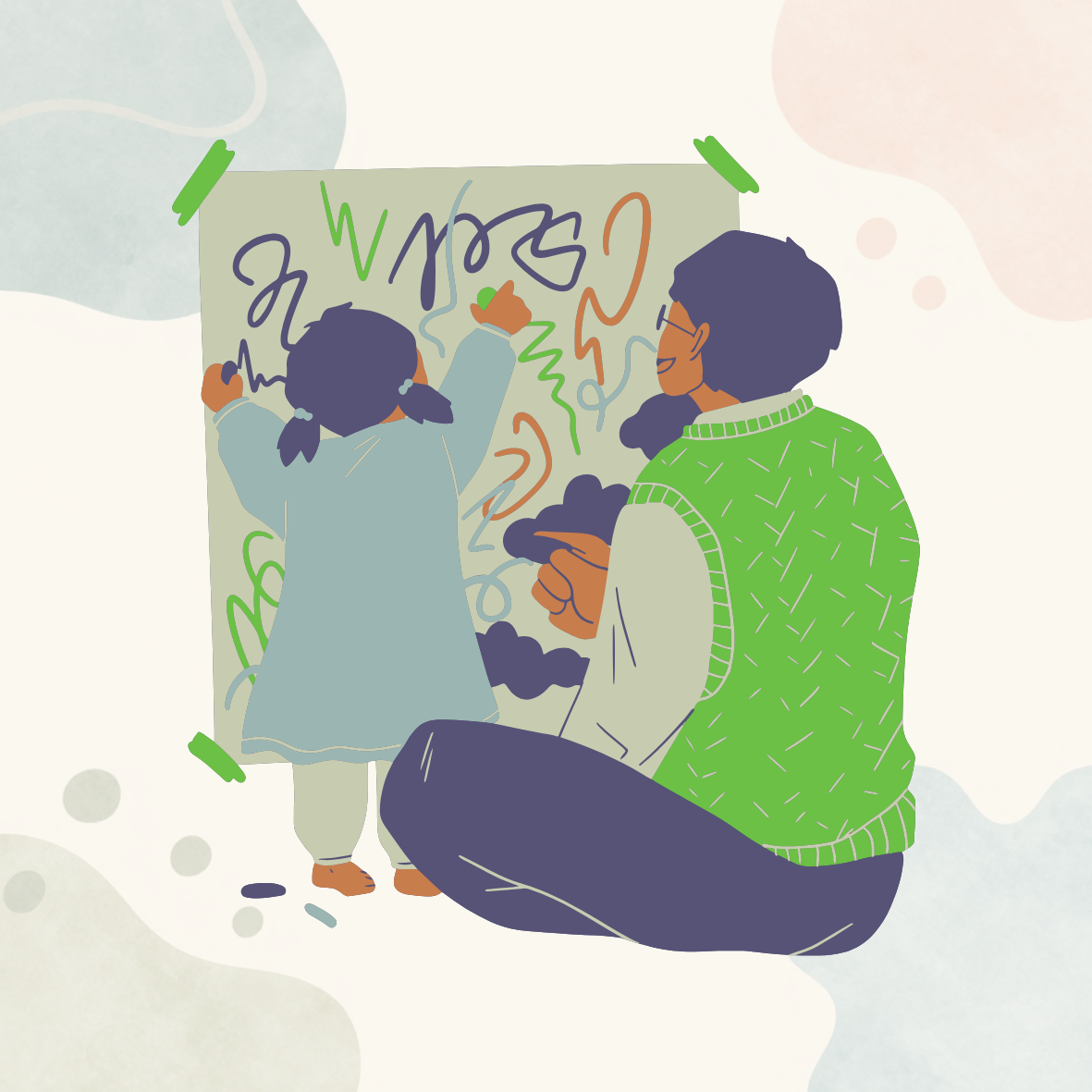
Natural Environment Training Natural Environment Training

Teaches skills in everyday settings and routines so children can generalize what they learn to real life.
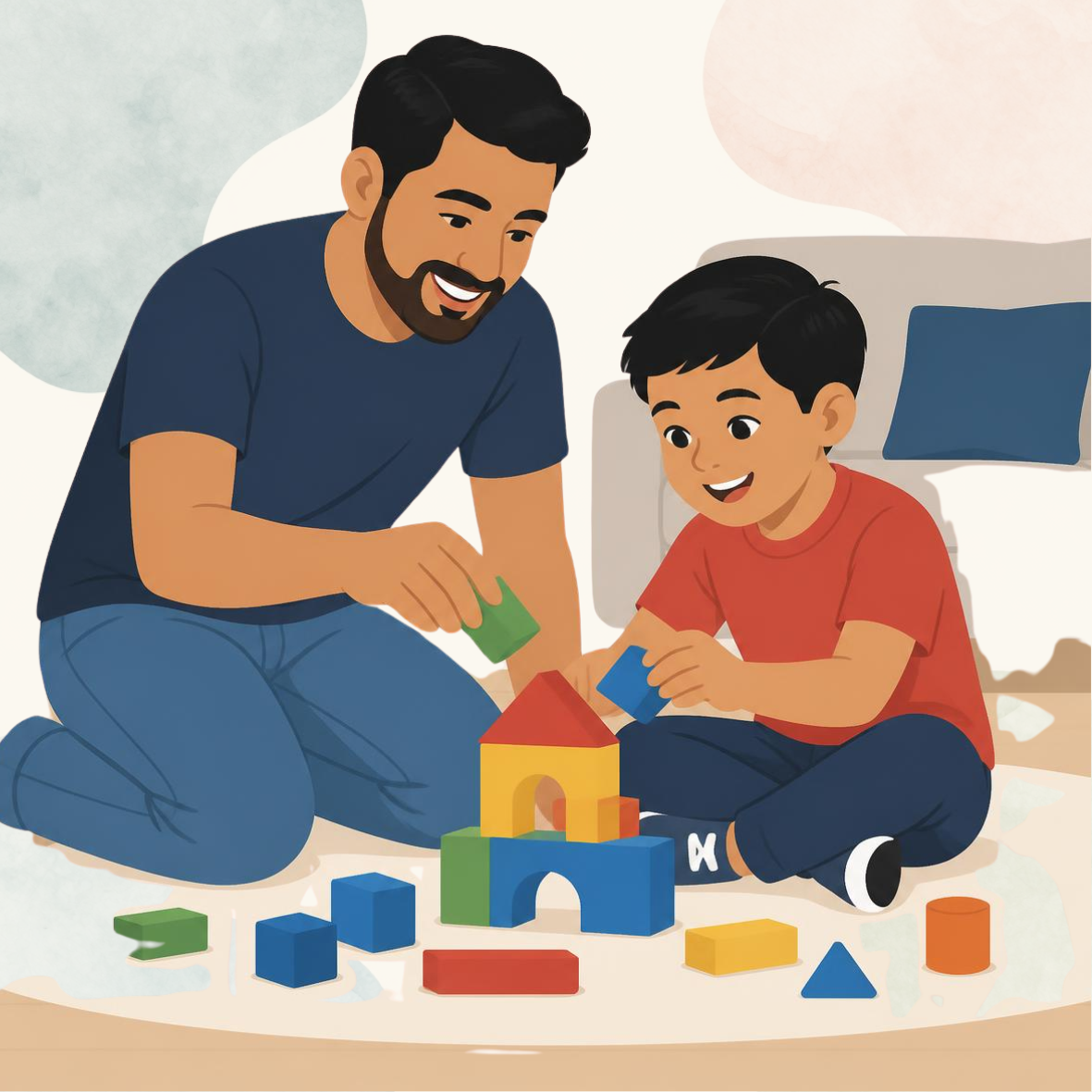
DIR Floortime DIR Floortime

A relationship-based therapy where caregivers follow the child's lead in play to build emotional connection and communication.

Early Start Denver Model Early Start Denver Model

An early intervention program for toddlers that blends play and everyday interactions to build social, language, and cognitive skills.
TEACCH TEACCH

A structured teaching approach that uses visual supports and organized environments to build independence.

2

ABA Concepts & Techniques

A closer look at the building blocks behind Applied Behavior Analysis, the specific techniques and ideas that make up an ABA program.

ABA ABA (Applied Behavior Analysis)

A structured, evidence-based approach that uses reinforcement to build helpful skills and reduce behaviors that get in the way of learning.

ABA Controversy ABA Controversy

Explores common criticisms of ABA therapy so families can weigh the debate and make informed choices.

Functions of Behavior Functions of Behavior

Explains the reasons behind behavior, such as escape, attention, access, or sensory needs, to understand why it happens.

ABC Contingencies ABC Contingencies

Breaks down the Antecedent-Behavior-Consequence pattern used to understand and shape behavior.

Chaining Chaining

Teaches multi-step skills by linking individual steps together into one complete sequence.

Errorless Learning Errorless Learning

A teaching method that provides enough support for the learner to succeed from the start, minimizing mistakes.

Extinction Extinction

Reduces an unwanted behavior by removing the reinforcement that had been maintaining it.

Fading Fading

Gradually removes prompts or supports as a skill is mastered, building independence over time.

Punishment Punishment

Introduces a consequence intended to decrease the likelihood that an unwanted behavior recurs.

Reinforcement Reinforcement

Uses rewards following a desired behavior to increase the likelihood it happens again.

Shaping Shaping

Reinforces successive approximations of a target behavior until the full skill is achieved.

Splinter Skills Splinter Skills

Addresses isolated skills that develop unevenly compared to a child's overall skill level.

3

Talk-Based Interventions

Therapies that use conversation, creativity, and connection to support emotional wellbeing and self-expression.

Cognitive Behavioral Therapy Cognitive Behavioral Therapy (CBT)

Helps individuals recognize and reframe unhelpful thoughts to manage anxiety, emotions, and behavior.

Dialectical Behavioral Therapy Dialectical Behavioral Therapy (DBT)

Builds skills in emotional regulation, distress tolerance, and mindfulness for managing intense feelings.

Art Therapy Art Therapy

Uses creative expression as a non-verbal outlet for communication, emotional processing, and self-esteem.

Music Therapy Music Therapy

Uses rhythm, song, and instruments to support communication, motor skills, and emotional connection.

Equine Therapy Equine Therapy

Involves interacting with horses to build confidence, communication, sensory regulation, and social skills.

4

Clinical & Communication Therapies

Hands-on, professionally guided therapies that build communication, movement, and real-world life skills.

Speech Therapy Speech Therapy

Supports language development, articulation, and social communication skills.

Physical Therapy Physical Therapy (PT)

Builds strength, coordination, and motor skills through targeted movement and exercise.

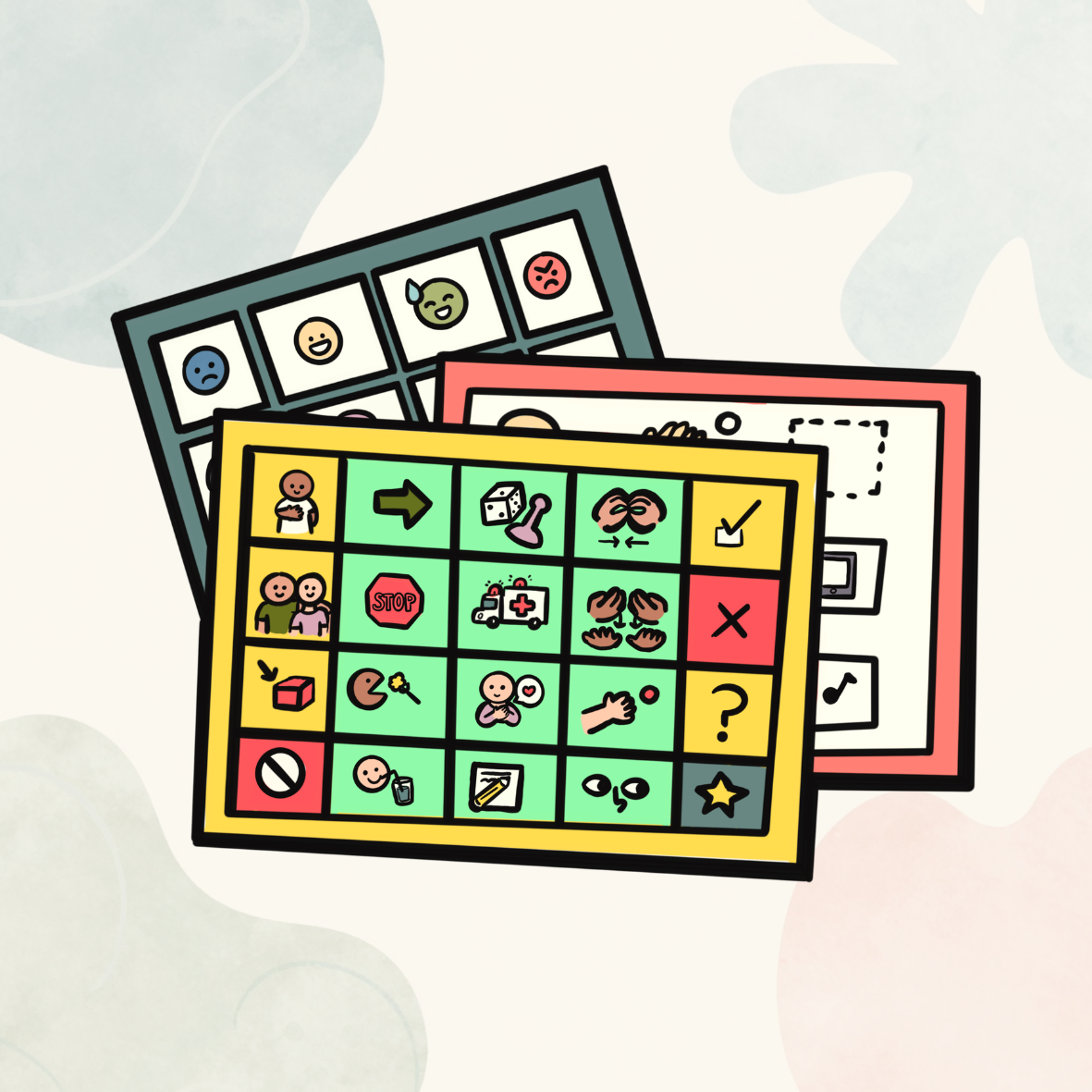
PECS PECS

A picture exchange system that gives non-verbal or minimally verbal individuals a way to communicate needs.

Communication Disorders Communication Disorders

Speech and language disorders that can occur alongside autism, so families can tell them apart and know when extra support helps.

Vocational Rehabilitation Vocational Rehabilitation

Prepares individuals for employment through skills training, job coaching, and workplace support.

Modeling Modeling

Demonstrates a target behavior or skill for the learner to observe and imitate, often paired with speech and social-skills work.

Prompting and Cueing Prompting and Cueing

Uses cues and prompts to guide a learner toward a correct response, gradually reduced as skills like speech and movement develop.

Finding What Works for Your Family

There's no single "right" therapy, many families combine a few of these approaches, and what works best often changes as your child grows. Use this map as a starting point for conversations with your child's care team, and remember that progress looks different for every child.